

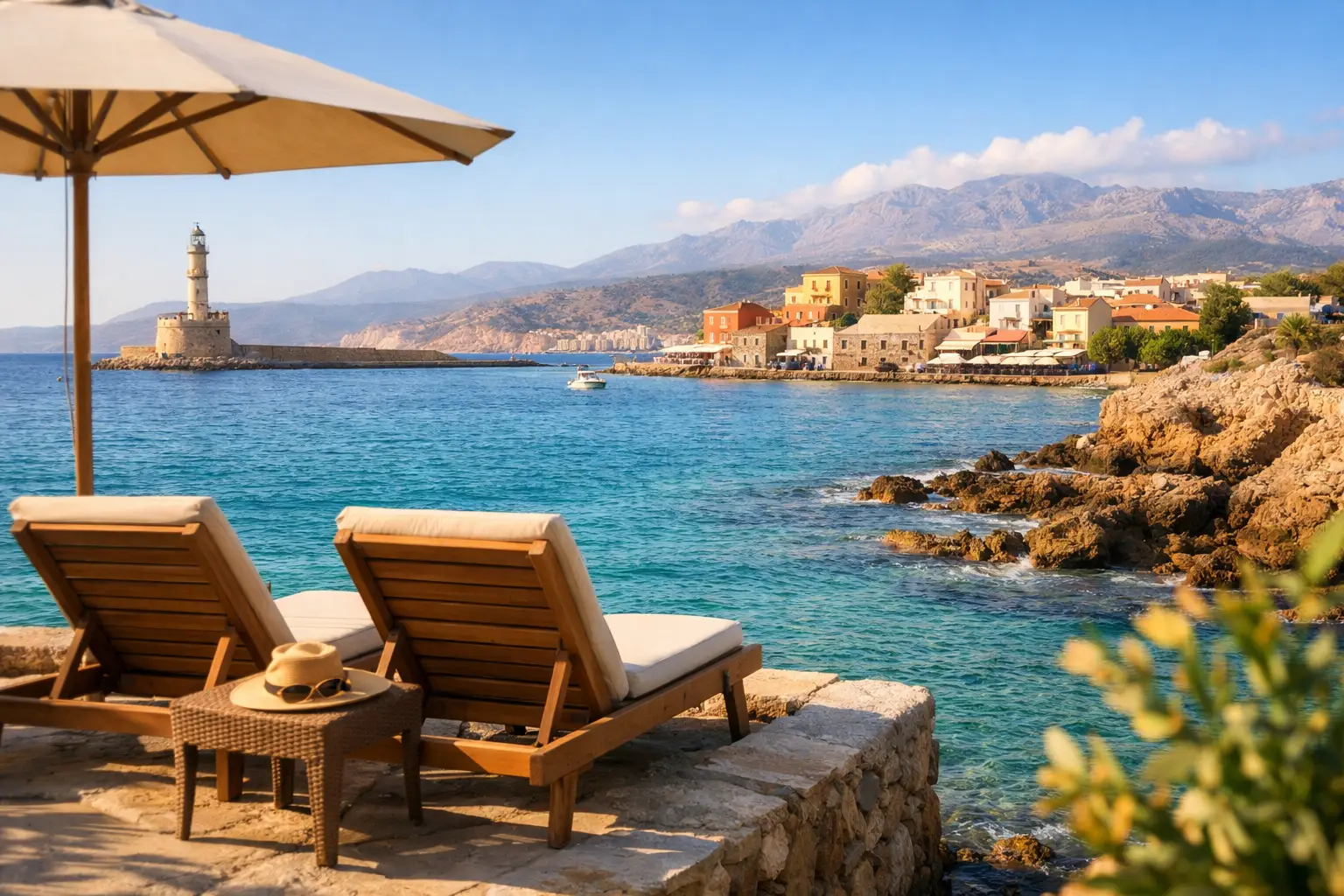
The answer to when to visit Crete coast depends on the version of the island you want to wake up to. Crete can feel hushed and restorative in late spring, bright and social in midsummer, and beautifully unhurried in early fall. The coastline stays captivating across seasons, but the pace, temperature, and atmosphere shift enough to shape the entire stay.
For travelers choosing Crete for sea views, privacy, and a more elevated rhythm, timing matters. The right month is not simply about heat. It is about how you want the mornings to feel, how crowded the beaches are by noon, whether dinner by the water feels lively or intimate, and how easily you can move between coastal calm and village life.
When to visit Crete coast for your ideal pace
If your priority is balance, the sweet spot is usually May, June, September, and early October. These months offer the most appealing blend of warm weather, swimmable sea conditions, and a softer atmosphere along the coast. You still get long, sunlit days, but without the full intensity of high summer.
July and August are ideal for travelers who want peak-season energy. The sea is at its warmest, the days are reliably sunny, and the island feels fully awake. Beach towns are busier, restaurant reservations matter more, and the most sought-after stretches of coast have a more social feel. Some guests love that pulse. Others prefer a little more space.
April and late October can be beautiful, especially for those drawn to quiet, scenery, and slower mornings. But these shoulder-season weeks come with trade-offs. The weather is less predictable, sea temperatures are cooler, and some seasonal businesses may operate on reduced hours depending on the area.
Spring on the Crete coast – light, color, and space
Spring is one of the most underrated times to stay on the coast. In April and May, the landscape feels fresh and vivid, with wildflowers, green hillsides, and clear air that gives the sea an almost glassy brightness. The island is calmer, and the coastline has room to breathe.
This is an excellent season for travelers who want to disconnect and detox without retreating from local life. Villages feel authentic rather than crowded. Scenic drives are easier. Lunch by the water can still feel spontaneous. If your idea of luxury includes privacy, ease, and a more intimate sense of place, late spring is especially compelling.
The trade-off is the sea itself. By May, many visitors are comfortable swimming, especially on warmer days, but the water will not feel as soft and warm as it does later in the season. If daily beach swims are central to your trip, June may be the more satisfying choice.
Best for couples and quiet escapes
Spring suits couples, wellness-focused travelers, and anyone who values atmosphere over volume. Mornings feel slower. Evenings stay cool enough for outdoor dining without the weight of midsummer heat. It is also a beautiful time for a villa stay centered on the pool, the terrace, and the simple pleasure of being near the sea without the noise of peak traffic.
Summer on the Crete coast – the classic Mediterranean season
June, July, and August deliver the postcard version of coastal Crete. The sun is strong, the sea is inviting, and beach days unfold with very little weather anxiety. For families planning around school breaks or groups looking for guaranteed swimming weather, this is the easiest season to book with confidence.
June often feels like the ideal middle ground. The water is warming, the light is rich, and the island is lively without yet reaching its busiest point. For many travelers, this is the month that gives them almost everything: beach weather, beautiful evenings, and enough breathing room to still feel relaxed.
July and August are hotter, busier, and more animated. This can be perfect if you enjoy a vibrant summer atmosphere and want Crete in full color. The coast is buzzing, beach clubs and tavernas are in full flow, and sunset hours carry a festive energy. But if you are hoping for total stillness, these are not the quietest months.
Best for families and guaranteed beach time
High summer works especially well for families with children, multigenerational trips, and travelers who want to spend most of the day in or near the water. The predictability is part of the appeal. Long sunny days make it easy to settle into a rhythm of breakfast outdoors, a swim, a slow lunch, and another swim before dinner.
The practical consideration is heat. Midday can be intense, especially for guests who prefer active sightseeing over lounging. In peak summer, the most comfortable stays are often the ones designed for graceful retreat – shaded terraces, private pools, air-conditioned interiors, and the option to move between sea, villa, and village at your own pace.
Fall on the Crete coast – warm sea, softer mood
For many seasoned travelers, September is the most elegant answer to when to visit Crete coast. The sea has held the summer warmth, the harshest heat begins to ease, and the island settles into a more refined rhythm. You still get beach weather, but with a gentler mood.
Early October can be just as appealing, especially in a coastal setting. Days are often warm enough for swimming and sunbathing, yet mornings and evenings feel softer. This is when Crete becomes especially attractive to guests who want beauty without bustle.
Fall has a polished ease that suits luxury travel well. It invites longer breakfasts, slower afternoons, and dinners that stretch comfortably into the night. The coast feels less performative and more lived in. For many visitors, that is exactly the point.
Best for refined, low-stress travel
September and early October are ideal for couples, private groups, and anyone who values a more serene Mediterranean experience. If summer feels too public and spring feels a little early for swimming, fall often lands perfectly in between.
This is also the season when a premium sea-front stay comes into its own. At Kaliva Residence, for example, the experience of early fall is less about checking off activities and more about settling into the setting – sea views at first light, a quiet poolside afternoon, a chef-prepared dinner, and the simple luxury of having space around you.
What matters more than season
Choosing when to go is also about choosing your travel style. If swimming is non-negotiable, prioritize June through early October. If you care most about quiet beaches and easy reservations, avoid the core weeks of late July and August. If you love scenic drives, walking through villages, and a sense of local calm, May and September are especially rewarding.
Wind can also shape the coastal experience. Crete has different microclimates, and conditions vary across the island. The north coast, where many popular seaside villages are located, tends to be more accessible and convenient for travelers who want a blend of beach time and nearby dining or shopping. That convenience matters if you want your stay to feel relaxed rather than overplanned.
Length of stay should factor in too. A short trip benefits from weather reliability, which makes June or September especially attractive. A longer stay gives you more room to enjoy shoulder-season variation, where one cooler day does not define the trip.
So, when should you go?
If you want the most universally appealing answer, choose June or September. Both months offer warmth, beauty, and a coastal rhythm that feels effortlessly luxurious. June leans brighter and more anticipatory. September feels mellower and more composed.
Choose May if your dream stay is peaceful, scenic, and lightly social. Choose July or August if you want classic summer energy and long beach days. Choose early October if you are chasing warmth with a quieter edge.
The best time is the one that matches how you want to feel once you arrive. Not rushed. Not crowded into someone else’s version of a vacation. Just fully present, with the sea close by and enough stillness to enjoy it.